VEHICLE RANGE
URAL TRUCKS,CHASSIS & SPECIALPLATFORMS.
Compare catalogue-referenced 4×4, 6×6 and 8×8 cargo trucks, chassis, protected platforms, tankers and specialist vehicles for demanding export operations.
ALL-TERRAIN ENGINEERING
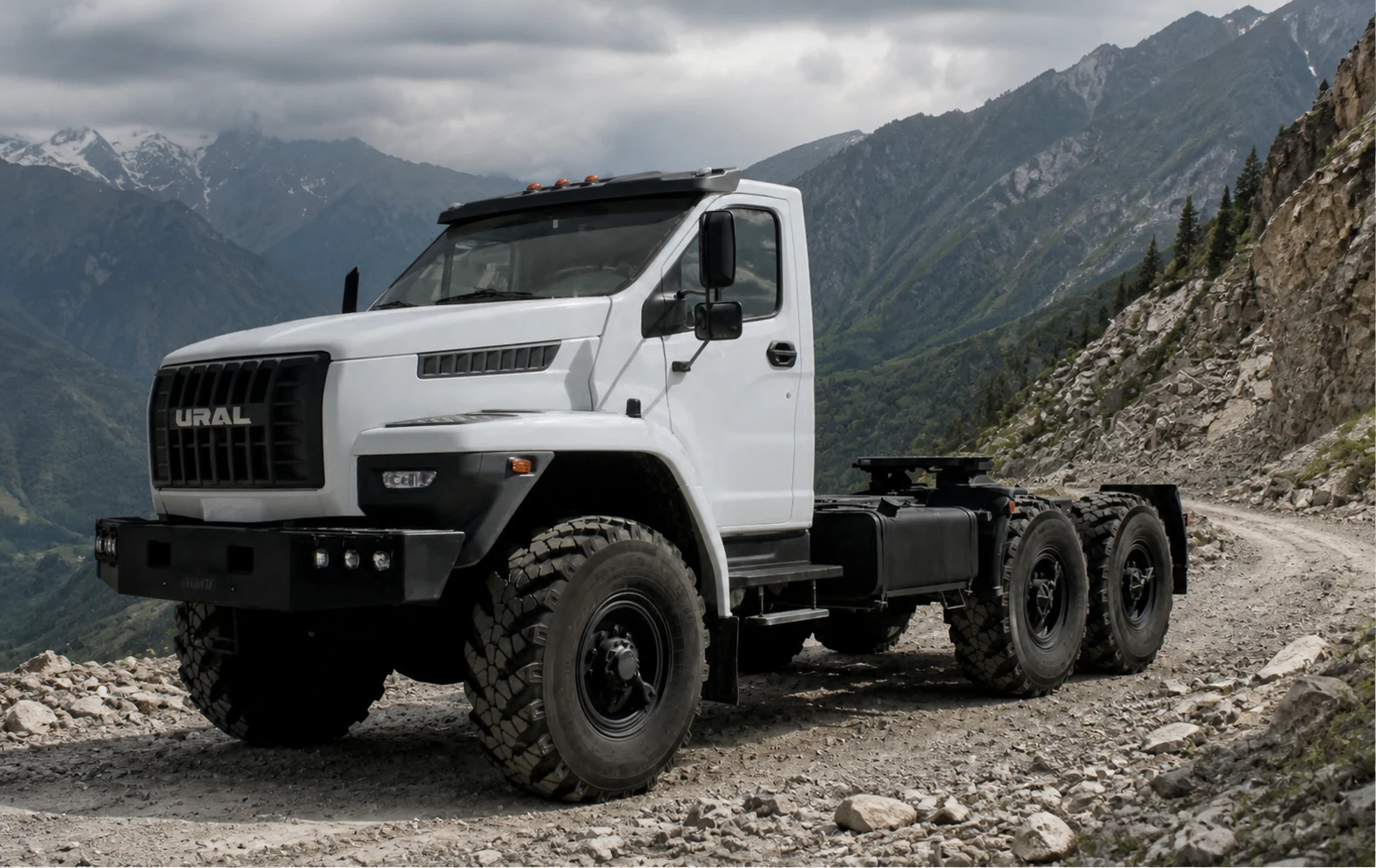
Engineered for terrainthat stops ordinary trucks.
The URAL platform family covers 4×4, 6×6 and 8×8 configurations for cargo, chassis-cab and specialist applications. Depending on the selected model and market specification, payload capacities extend from approximately 4.5 to 24 tonnes, with multiple wheelbases, frame lengths, power take-off arrangements and body-mounting layouts.
Off-road capability is built around single tires, cab-controlled centralized tire-pressure regulation, high-traction tread, walking-beam rear suspension, a reinforced steel frame, selected final-drive ratios and ground clearance of up to 400 mm.
SELECT THE ARCHITECTURE
6×6
Core all-terrain platform
The classic URAL architecture: long bonnet, rear tandem bogie and drive on every axle for cargo, tanker, workshop, recovery and crew applications.
- Driven axles
- 3
- Reference model
- URAL 4320
- Rear axles
- Tandem bogie
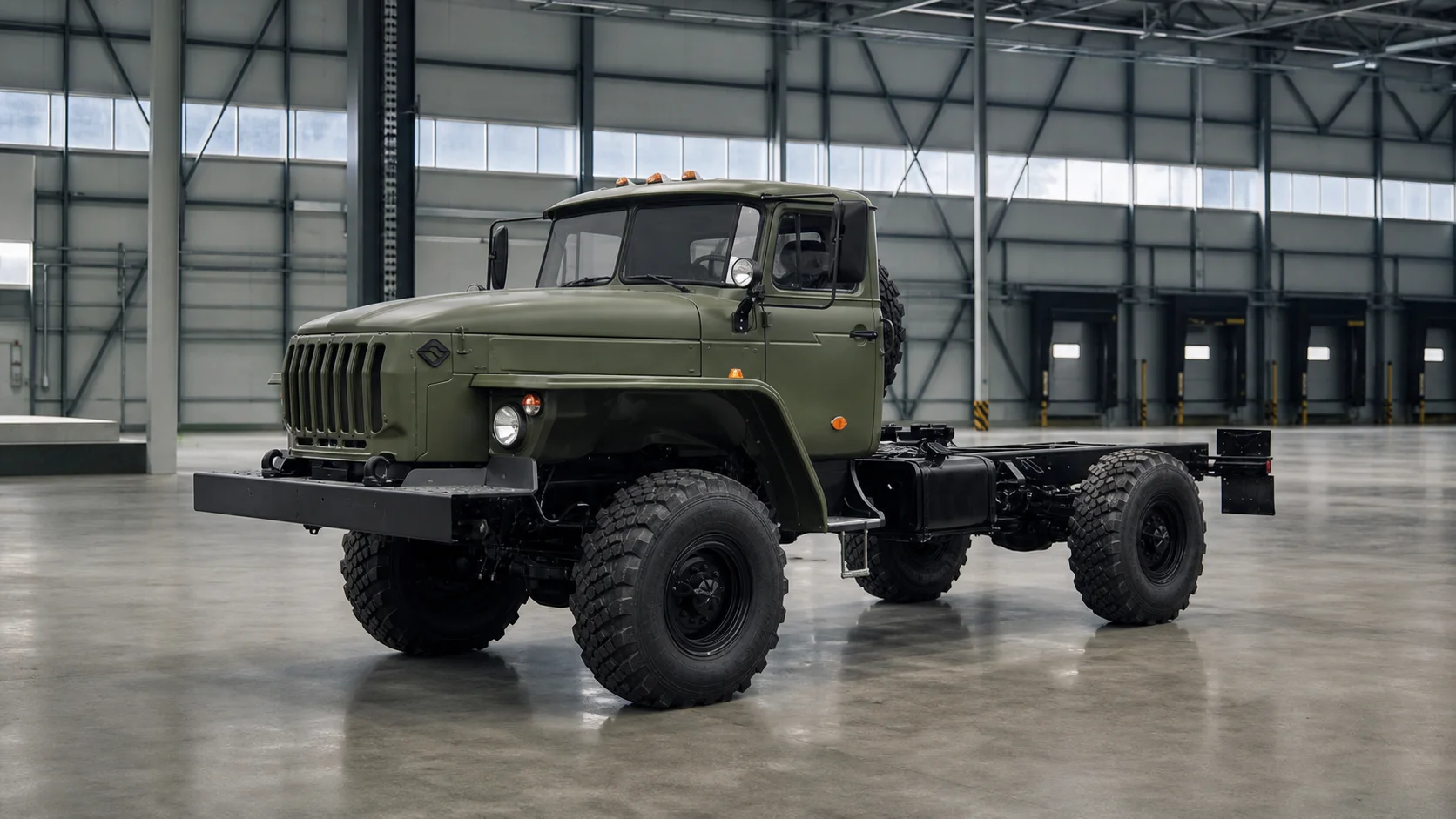
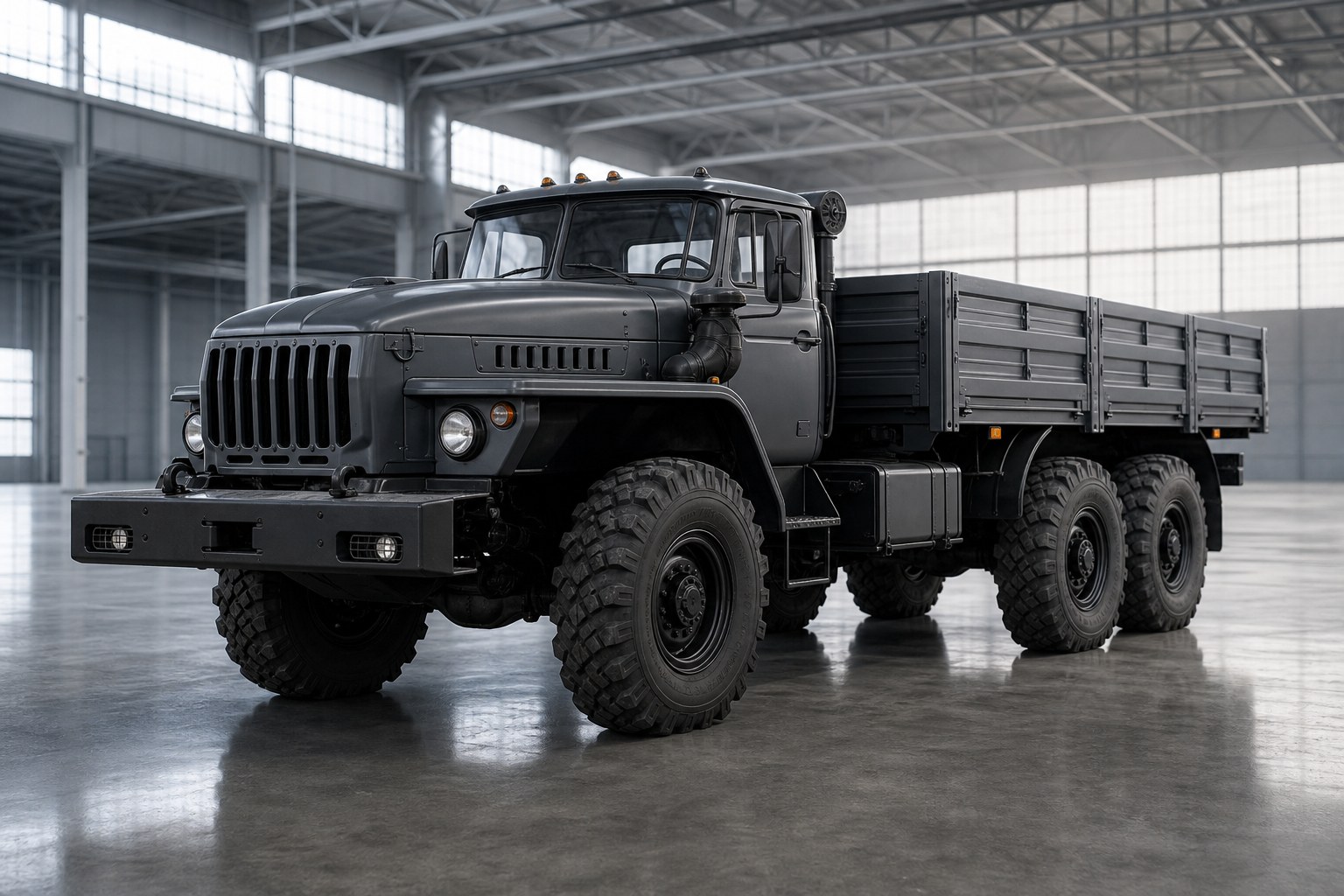
 Axle layout · 6×6
REFERENCE MOBILITY ENVELOPE
Obstacles becomeengineering inputs.
These published family-level reference figures help define the questions for a project. They are not universal ratings: source model, fording preparation, tires, axle ratios, engine, vehicle mass and exact chassis configuration must be confirmed in writing.
Technical note: Figures are indicative catalogue references, not a universal specification. Capability and regulatory compliance are confirmed individually for the selected model, production year, engine, drivetrain, tires, preparation package and destination market. Emissions options may range from Euro 0 to Euro V depending on those factors.
EIGHTEEN STARTING POINTS
Choose the platform.Configure the operation.
Published catalogue values describe reference configurations. The exact available vehicle, engine, transmission, payload, body and export specification are confirmed against destination, end use and duty cycle.
01
Complete vehicle · 6×6
URAL 4320 CARGO
A complete all-terrain dropside platform for personnel, equipment and remote-site logistics.
View configuration →02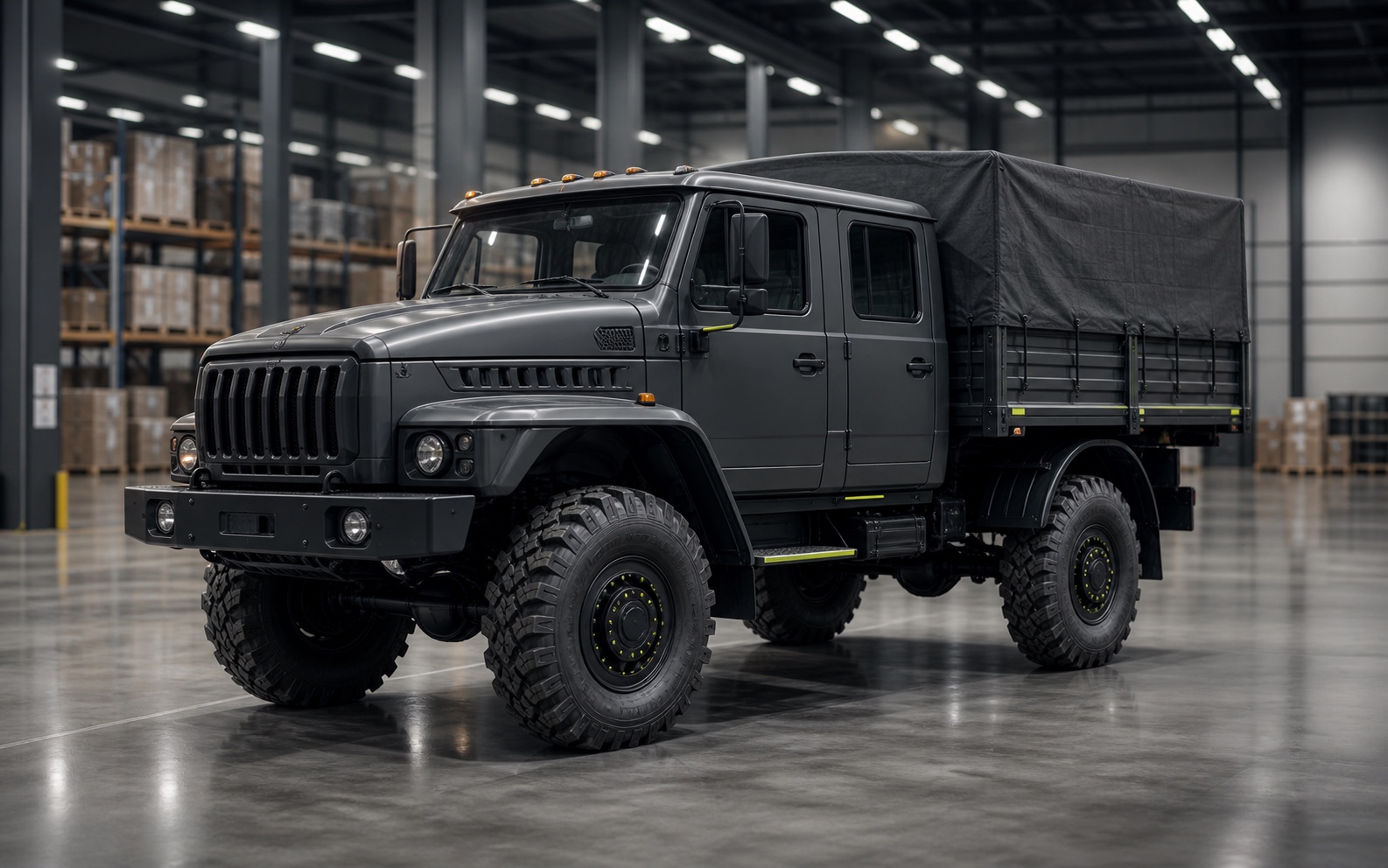
Compact all-terrain cargo · 4×4
URAL 43206 4×4 CARGO
A compact two-axle all-terrain cargo truck for difficult routes, towing and remote fleet logistics.
View configuration →03
Chassis only · 4×4
URAL 43206 4×4 CHASSIS
A catalogue-referenced two-axle chassis-cab for compact utility bodies, tankers and specialist installations.
View configuration →04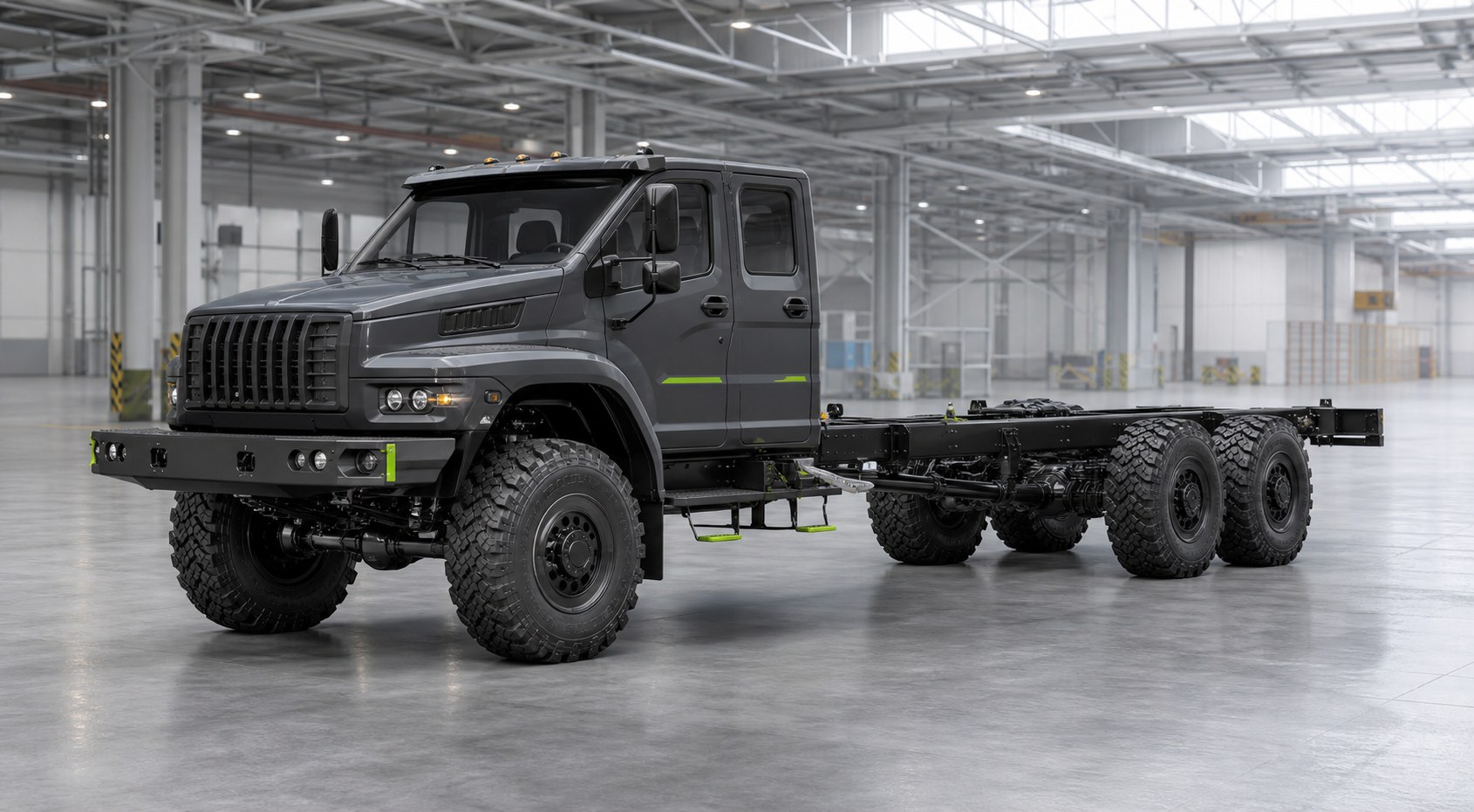
Chassis only · 6×6
URAL CAB & CHASSIS
Supplied as a bare chassis-cab, ready for a locally sourced or project-specific superstructure.
View configuration →05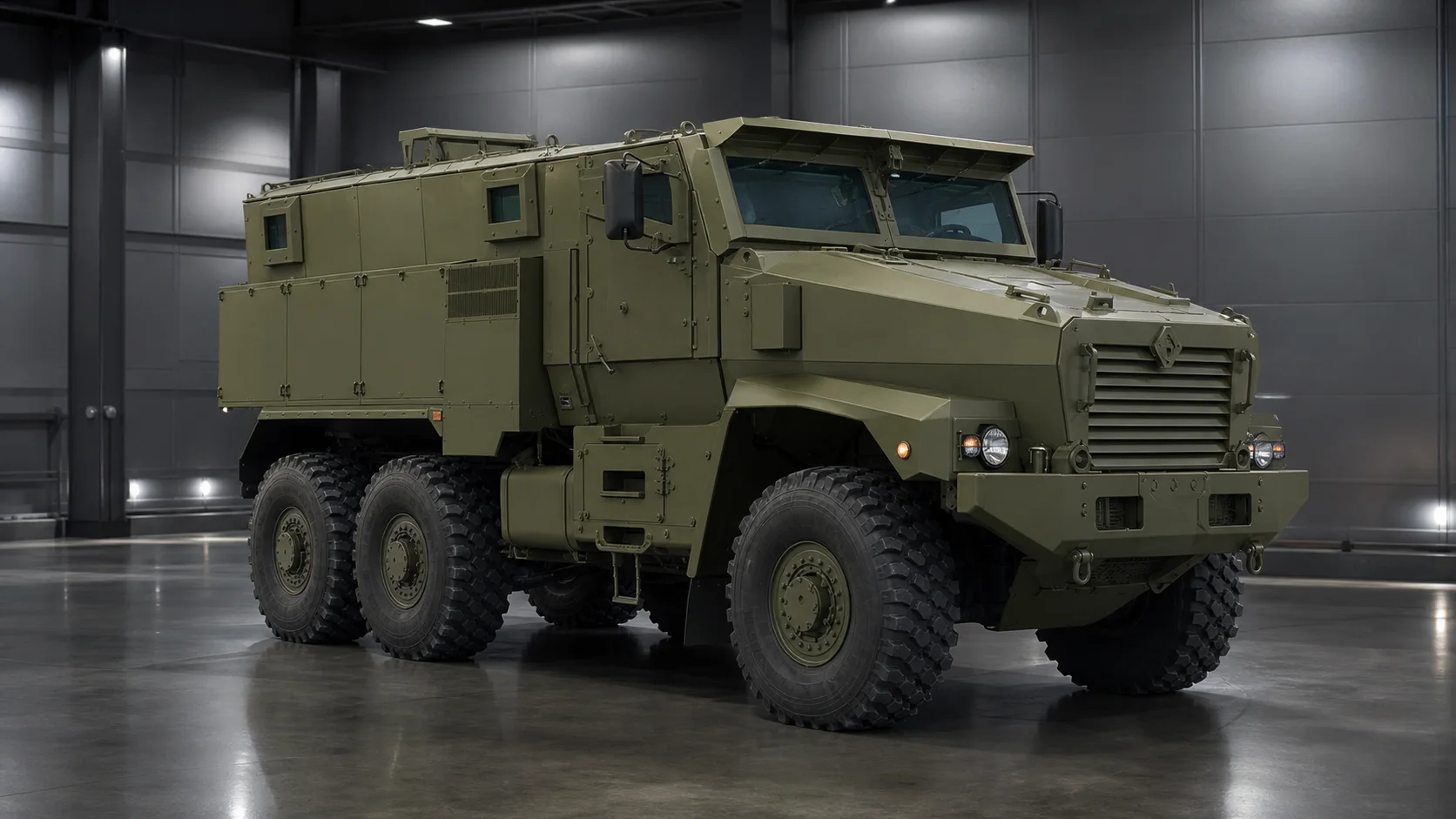
Protected mobility · 6×6
TYPHOON-U 63099
An unarmed protected mobility platform for personnel transport and specialist mission integration.
View configuration →06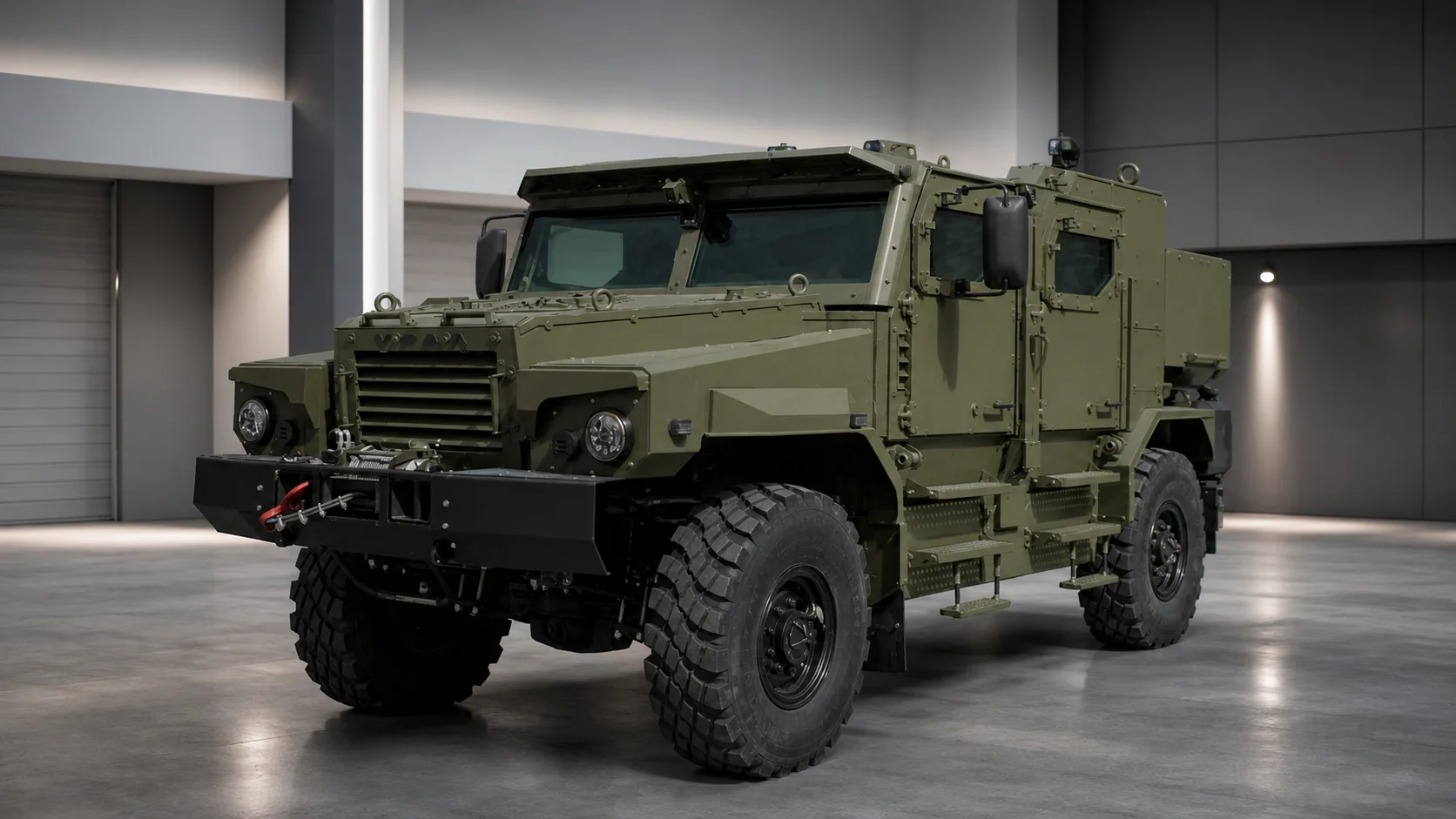
Protected mobility · 4×4
TYPHOON-U 53099 4×4
A compact unarmed protected 4×4 platform for personnel mobility and specialist institutional support.
View configuration →07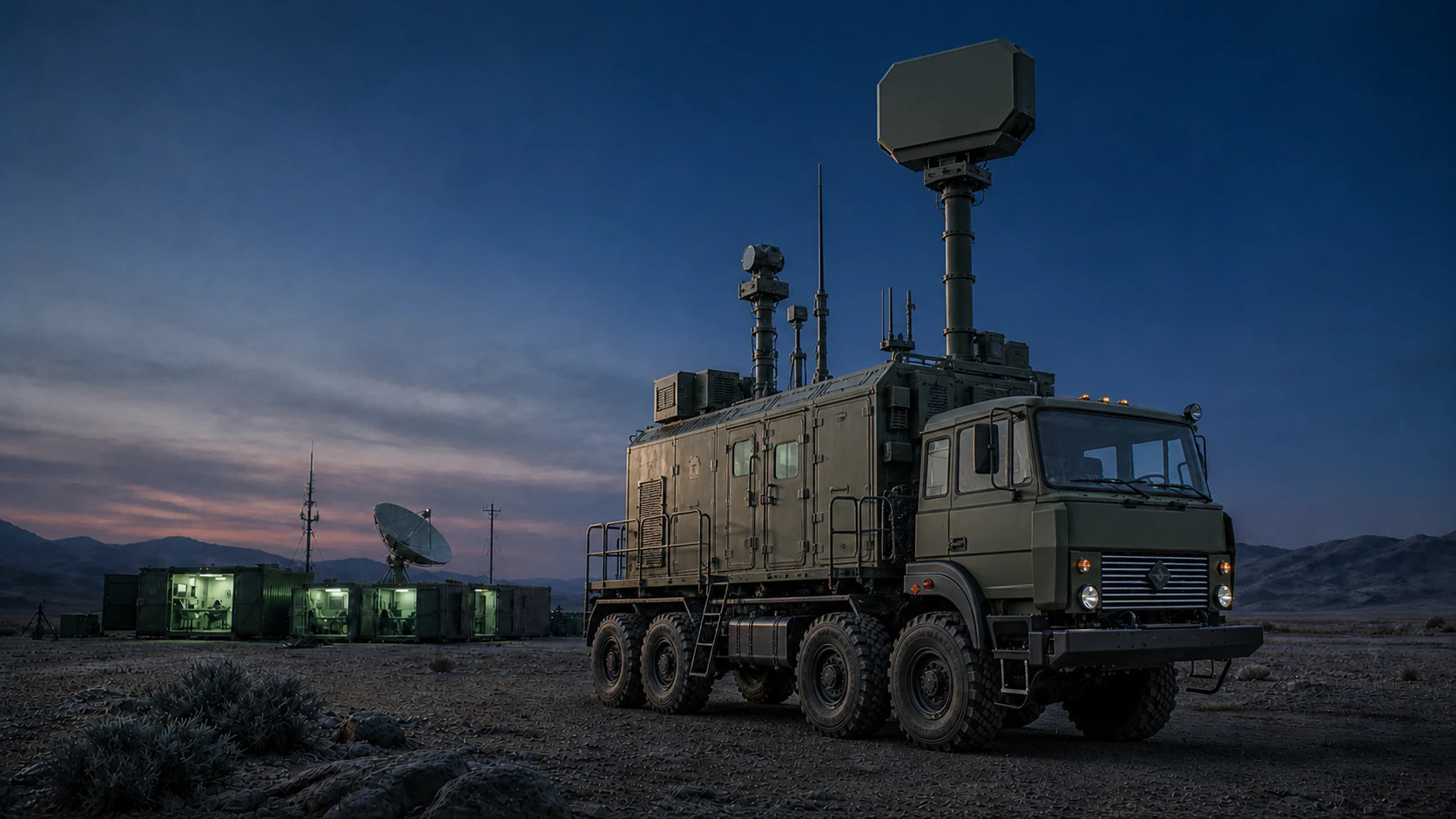
Systems carrier · 6×6 / 8×8
URAL SPECIAL MISSION
A configurable URAL carrier family for communications, radar, command, workshop and other specialist mission modules.
View configuration →08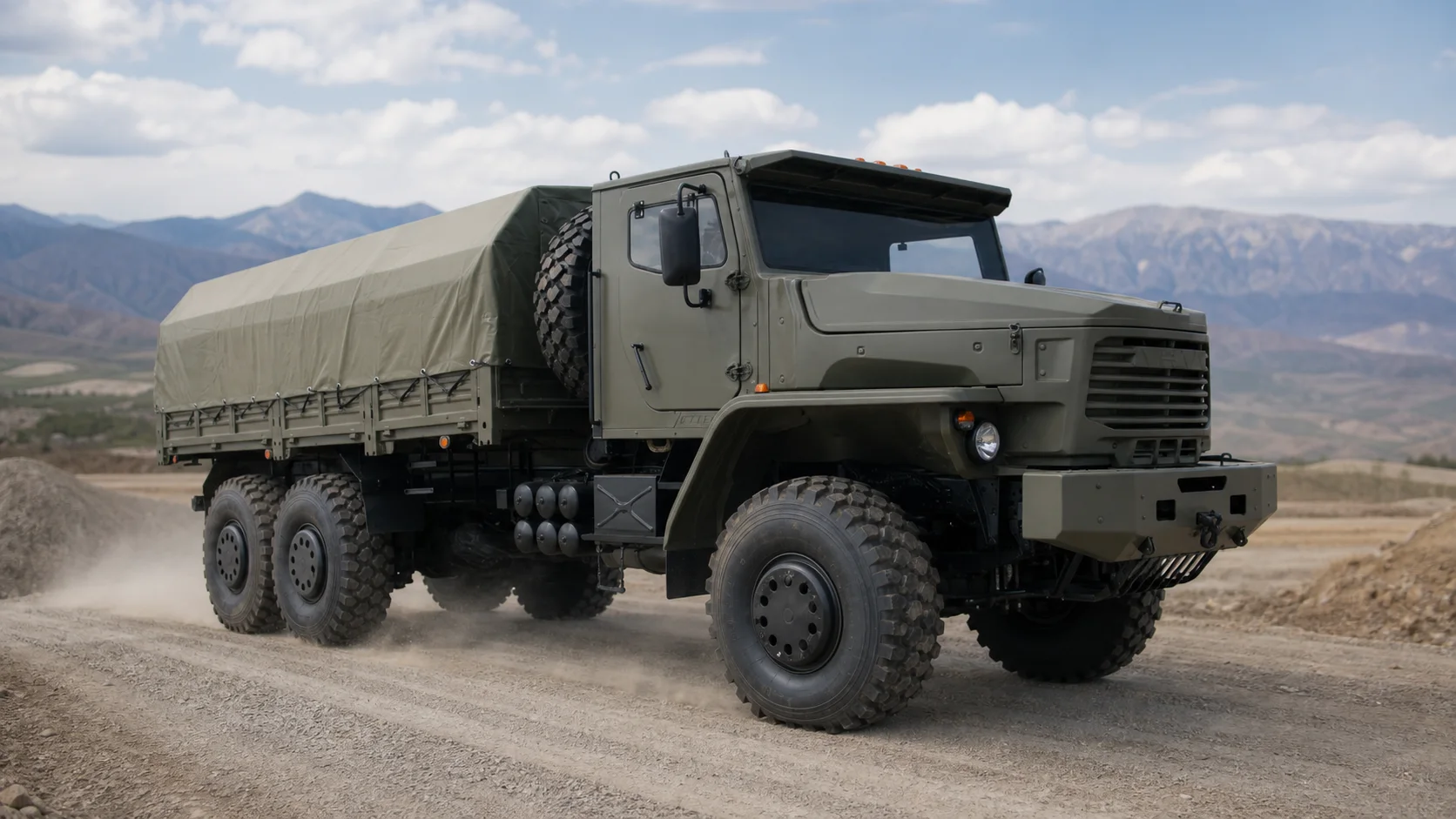
Heavy tactical logistics · 6×6
TORNADO-U 63706 CARGO
A catalogue-referenced high-payload 6×6 cargo carrier for heavy logistics, equipment transport and trailer operations.
View configuration →09
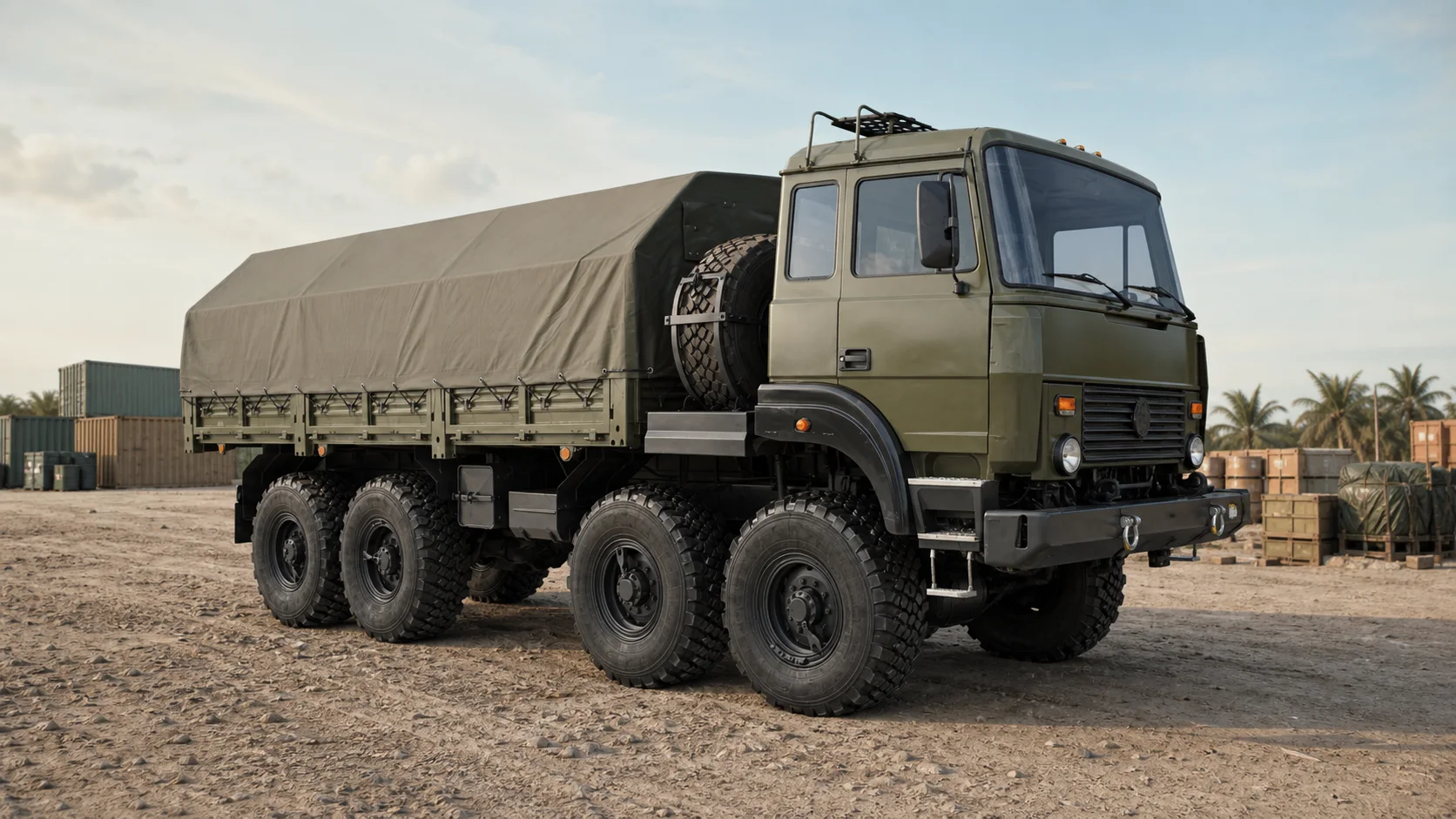
Heavy all-terrain logistics · 8×8
URAL 532301 8×8 CARGO
A cab-over 8×8 cargo platform for high-capacity transport across difficult roads and terrain.
View configuration →10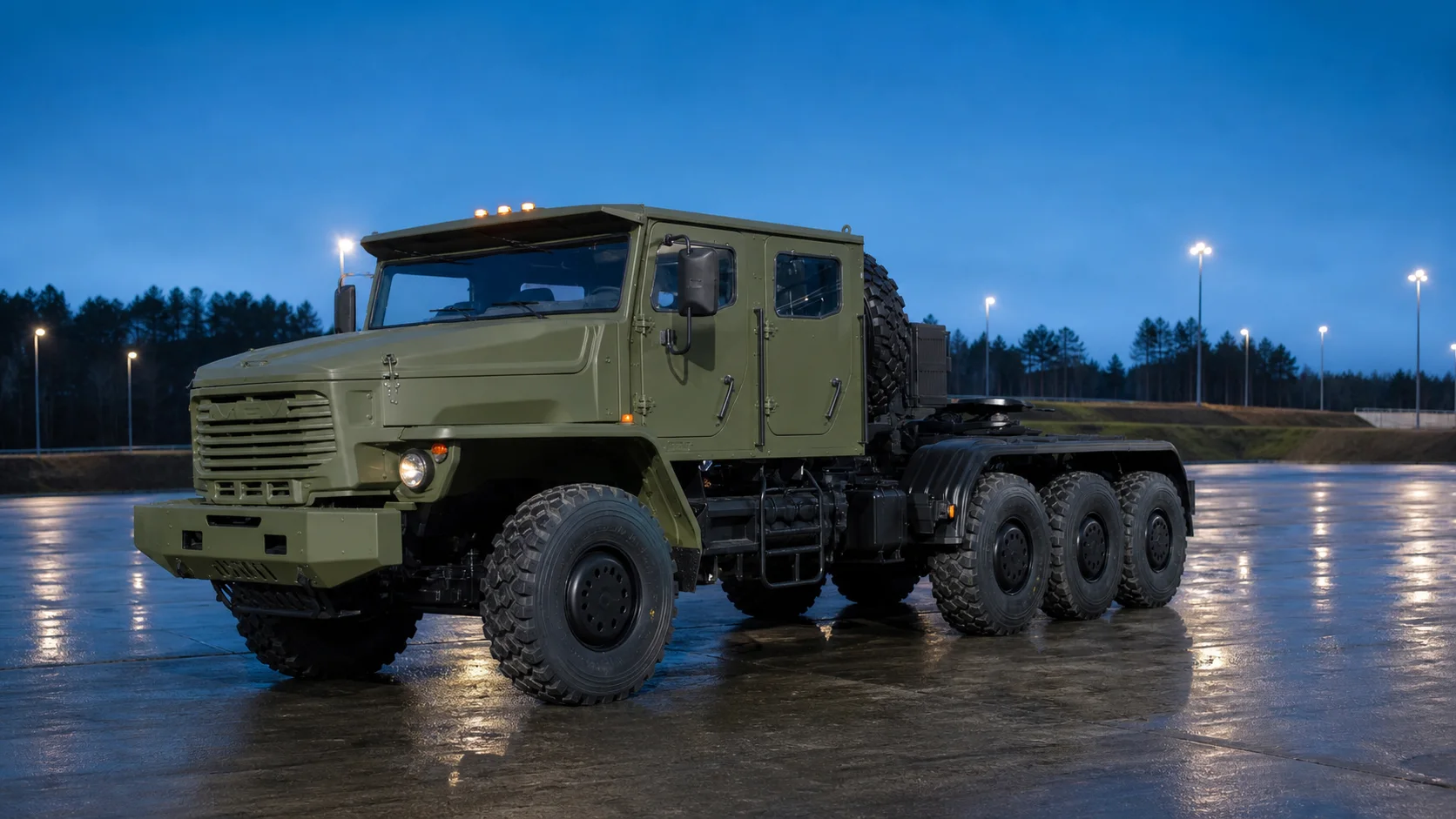
Heavy tractor unit · 8×8
TORNADO-U 63708 TRACTOR
A catalogue-referenced 8×8 tractor platform for extreme-duty trailer systems and heavy remote transport.
View configuration →11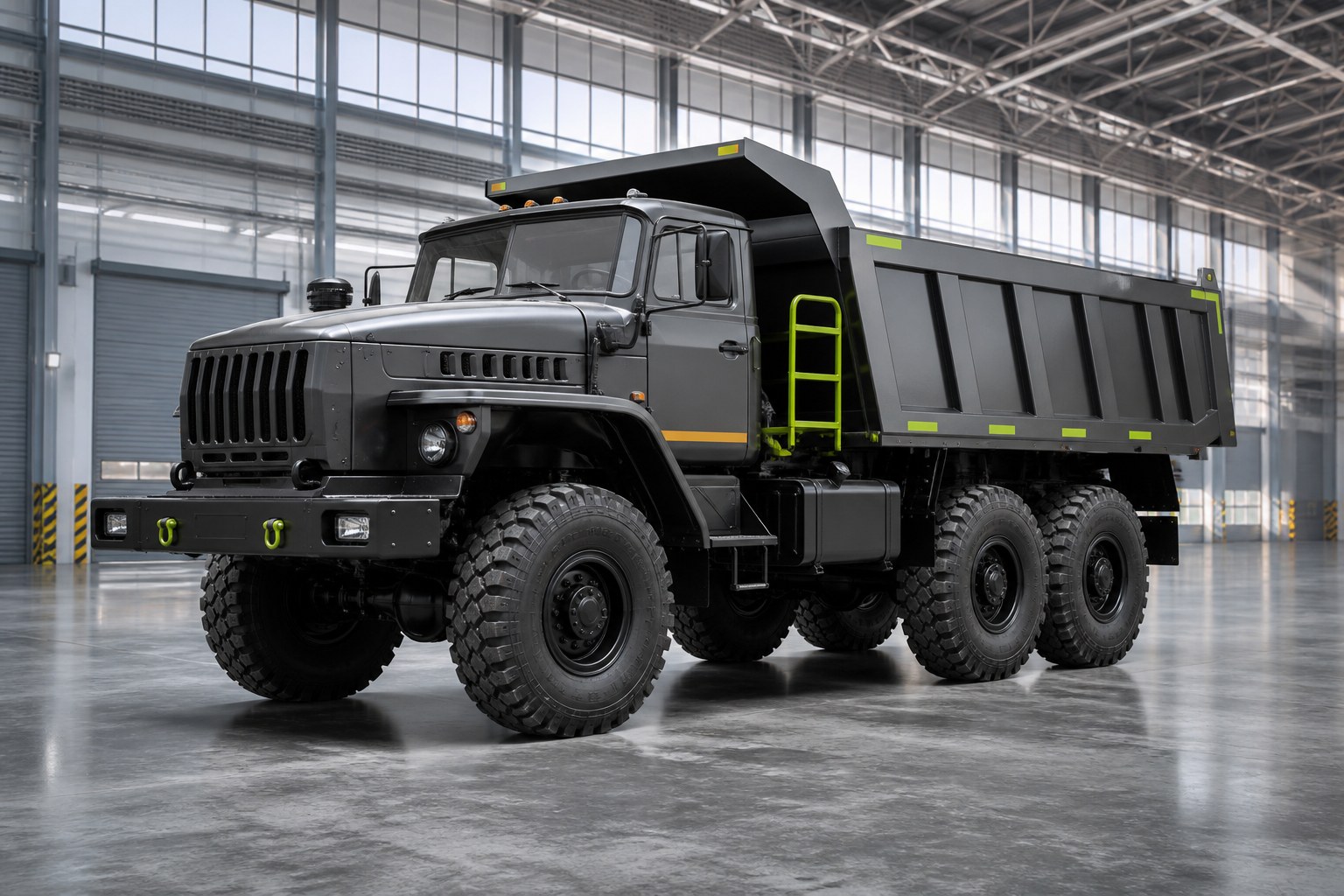
Mining & construction · 6×6
URAL DUMP TRUCK
A high-mobility tipping truck for quarry, mining, road construction and infrastructure projects.
View configuration →12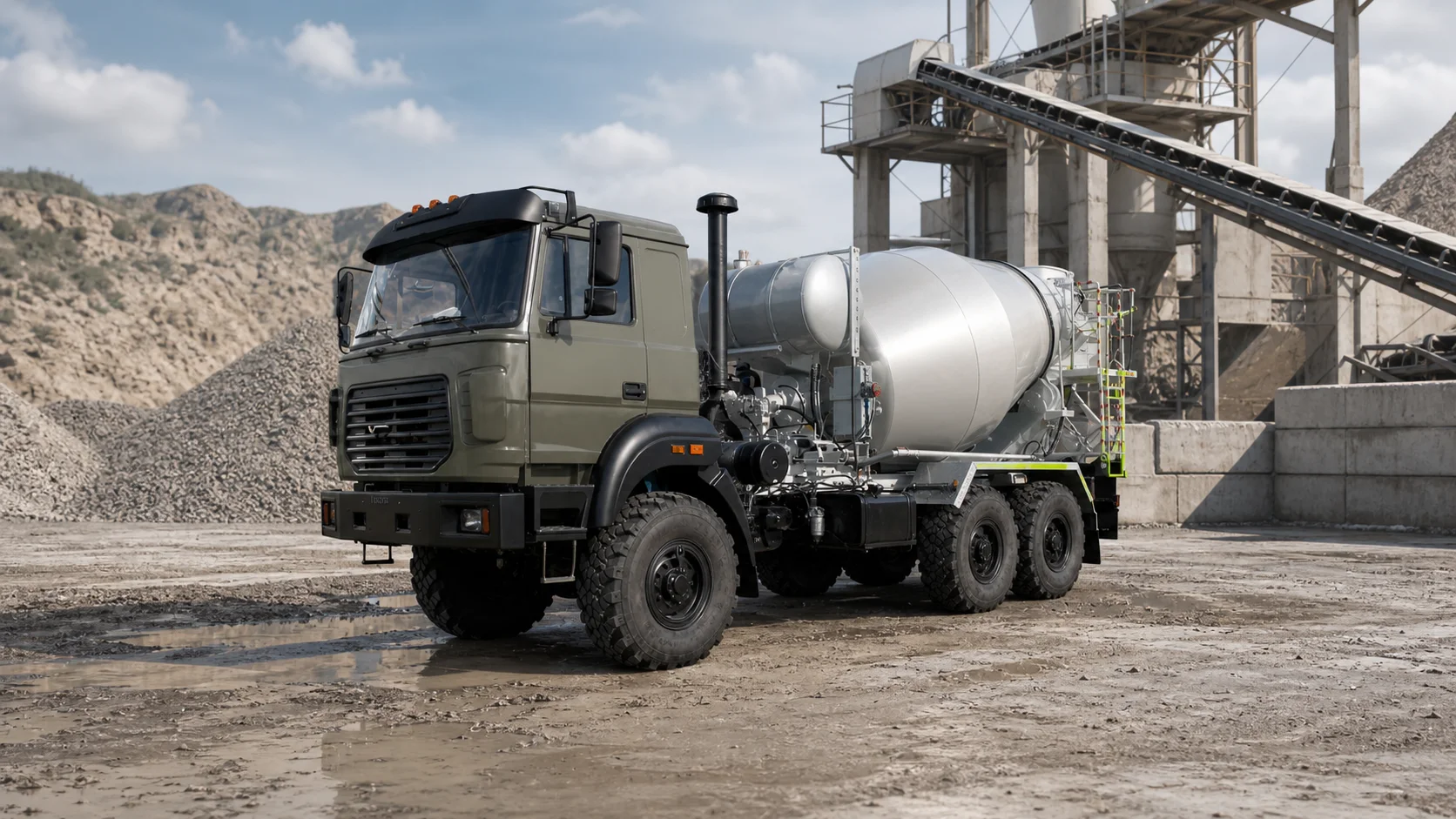
Concrete logistics · 6×6
URAL 5557 6AP MIXER
A catalogue-referenced 6 m³ concrete mixer for ready-mix delivery beyond reliable paved access.
View configuration →13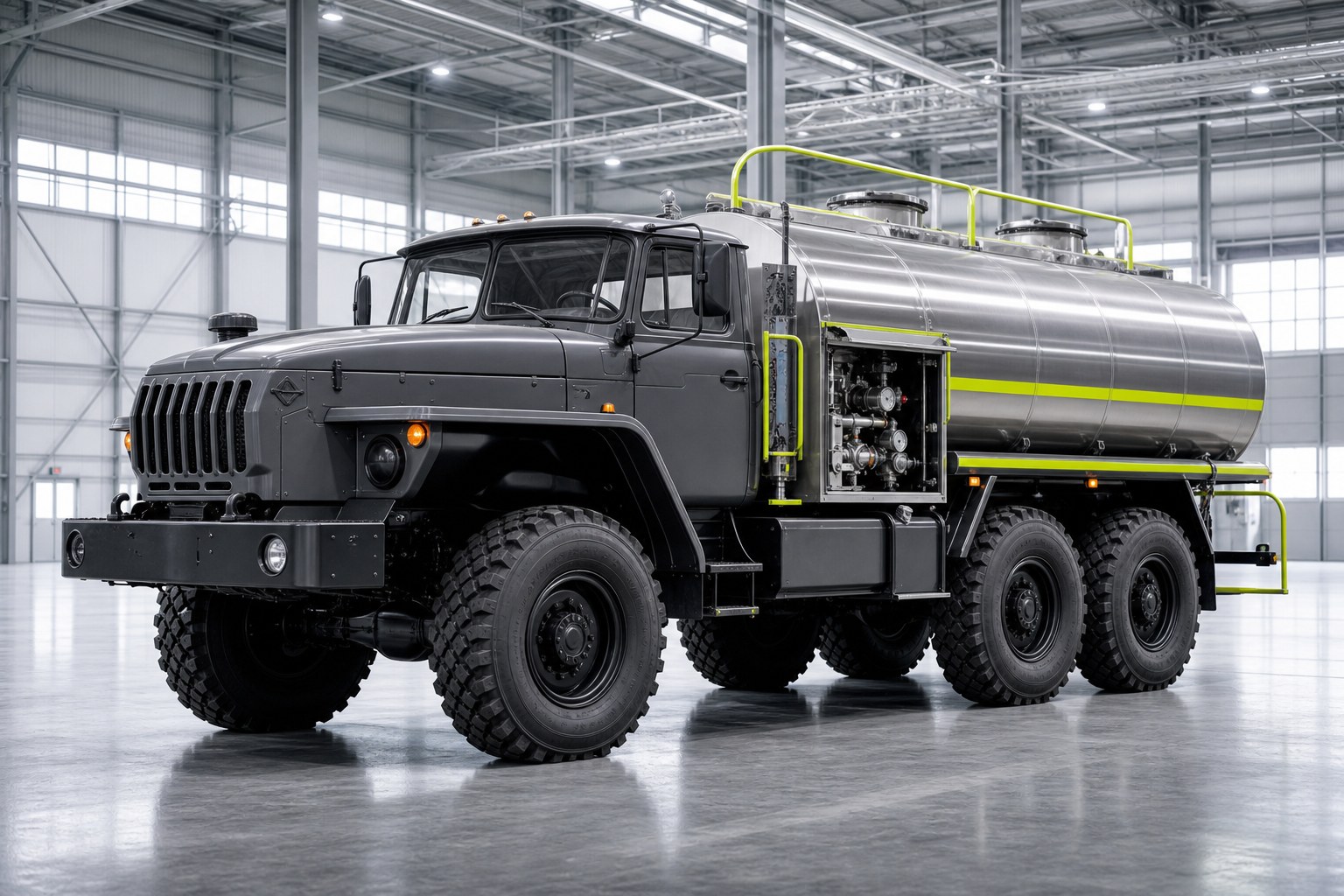
Water logistics · 6×6
URAL WATER TANKER
A dedicated all-terrain water-delivery platform for potable, service or process-water logistics in remote areas.
View configuration →14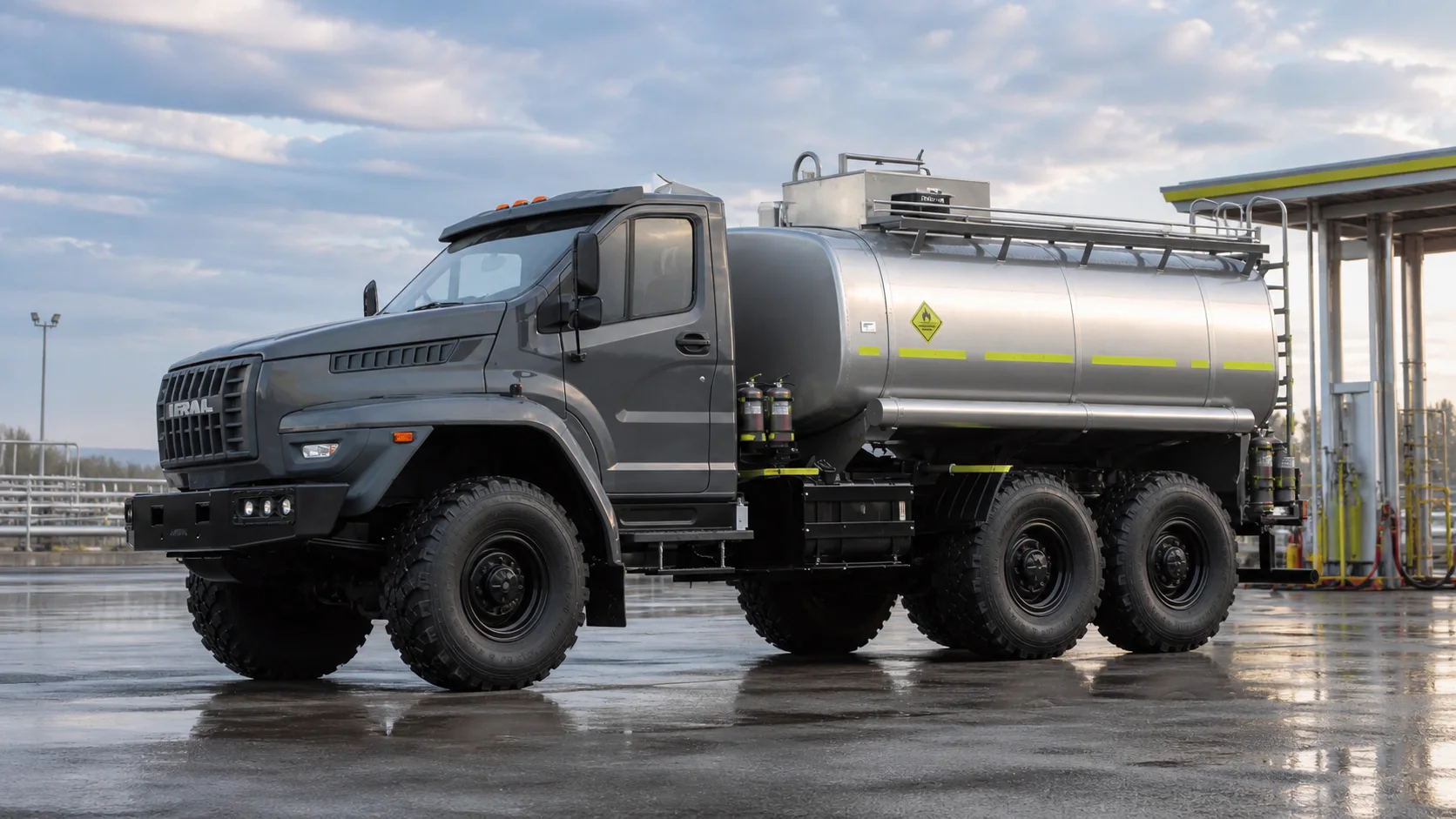
Fuel logistics · 6×6
URAL NEXT ATZ-10
A 10 m³ catalogue-referenced refuelling truck for transport, short-term storage and metered dispensing of light petroleum products.
View configuration →15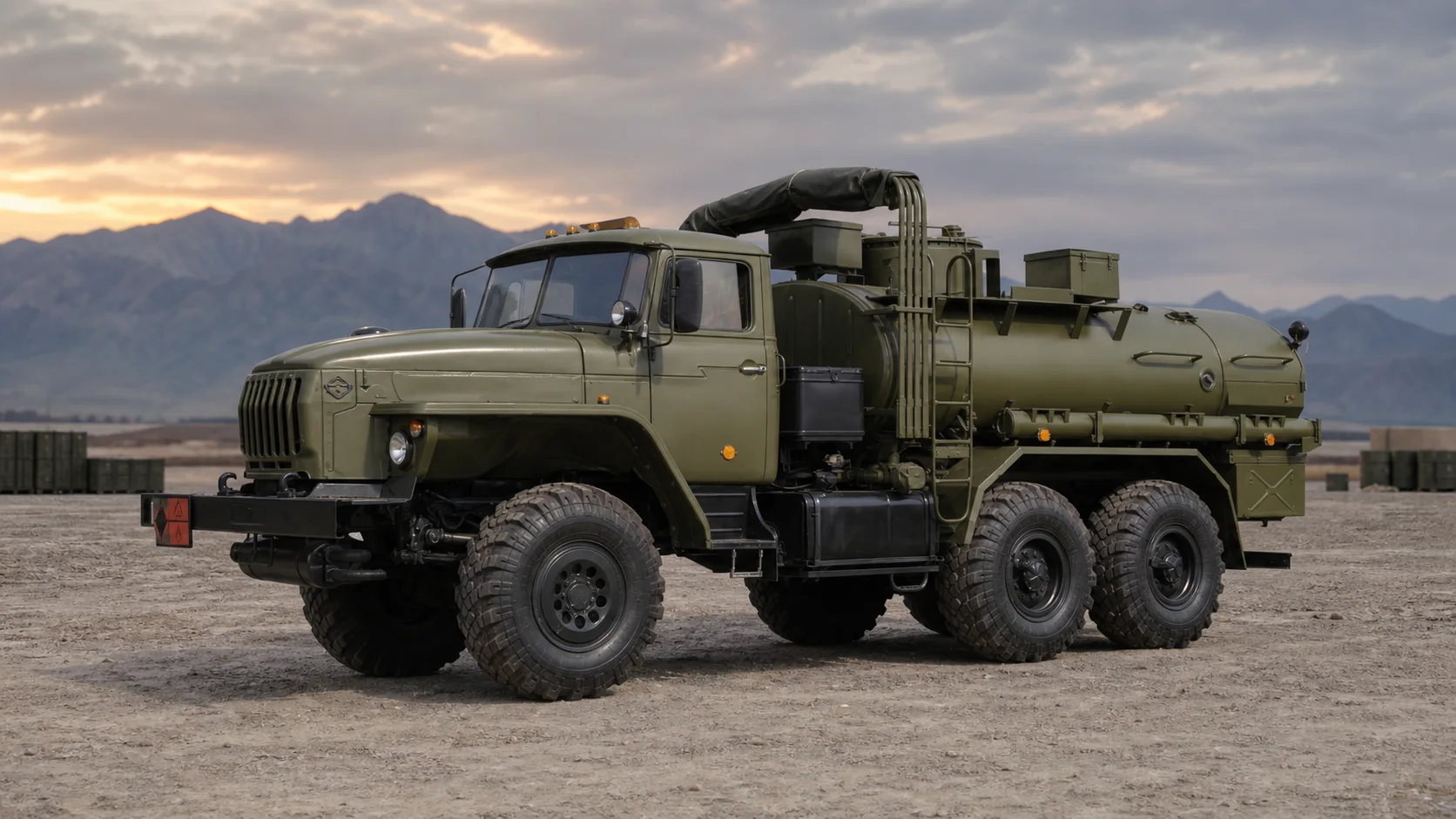
Field fuel logistics · 6×6
URAL ATZ-7 REFUELLER
A compact 7,000 L all-terrain refueller for field fleets, equipment and remote logistics bases.
View configuration →16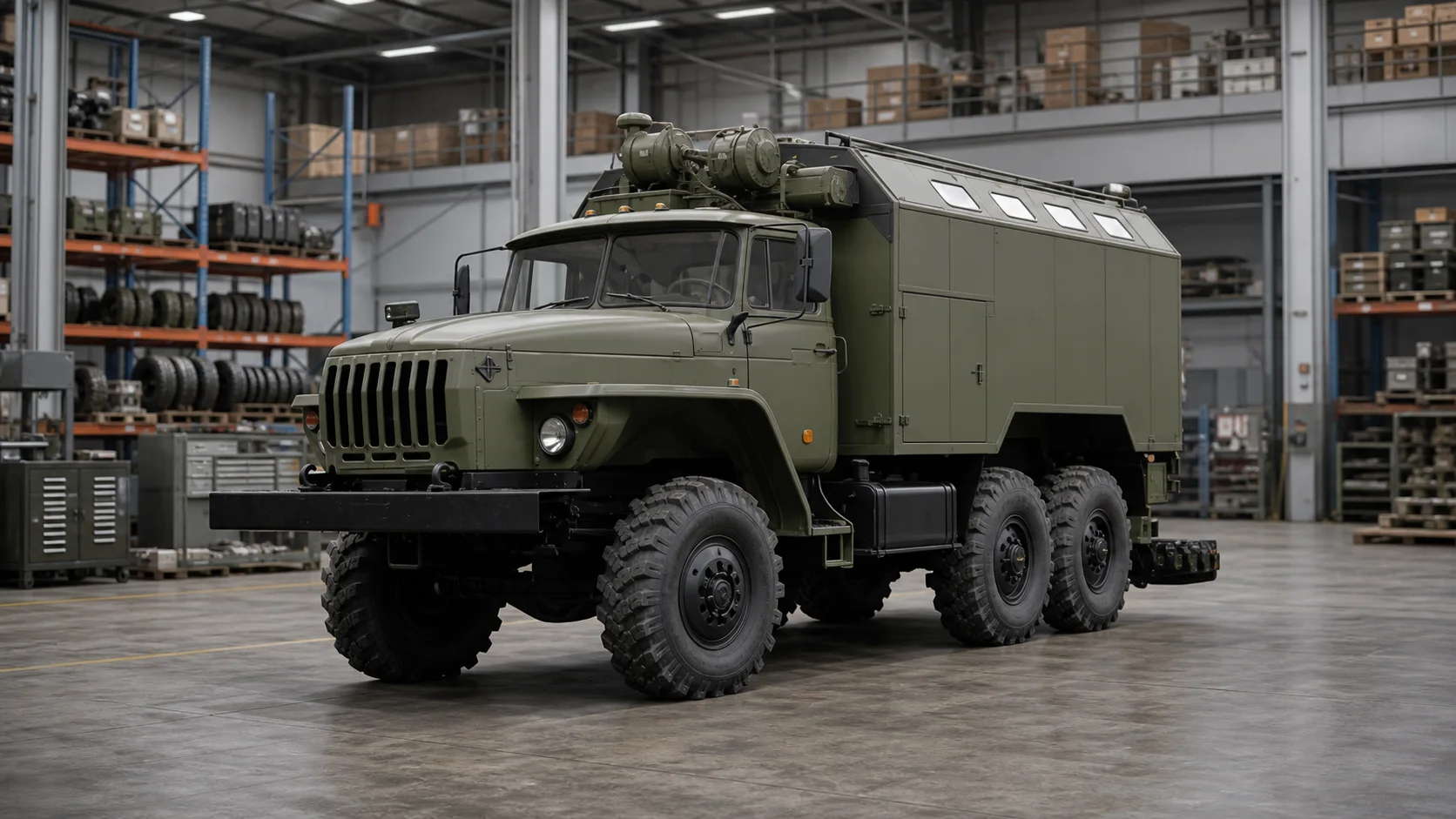
Field service vehicle · 6×6
MRS-AM1 MOBILE WORKSHOP
A catalogue-referenced mobile diagnostic, maintenance and repair workshop for fleets operating far from permanent facilities.
View configuration →17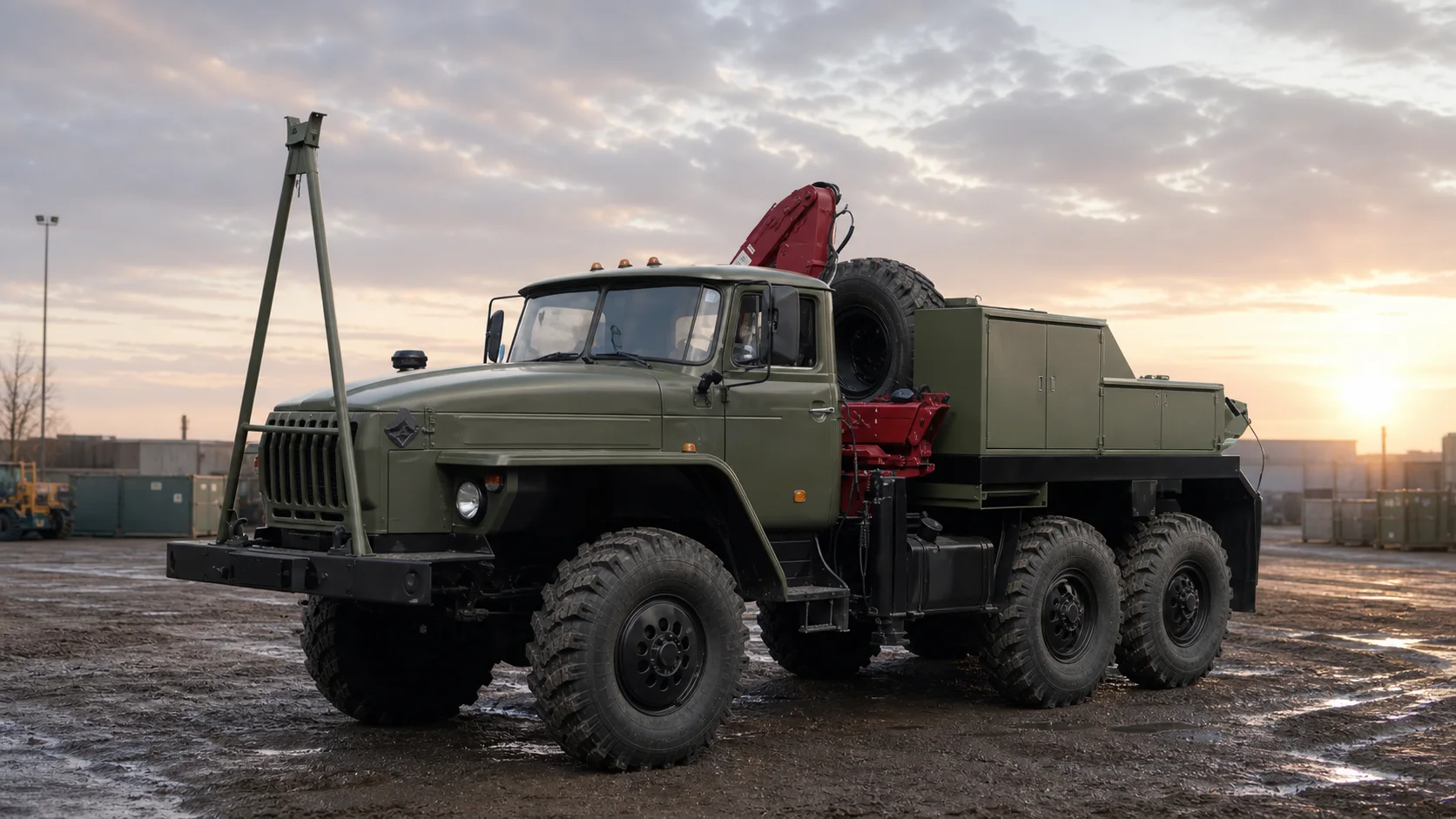
Recovery & support · 6×6
MTP-A2.1 RECOVERY TRUCK
A catalogue-referenced URAL technical-assistance vehicle for recovery, crane handling, towing and remote fleet support.
View configuration →18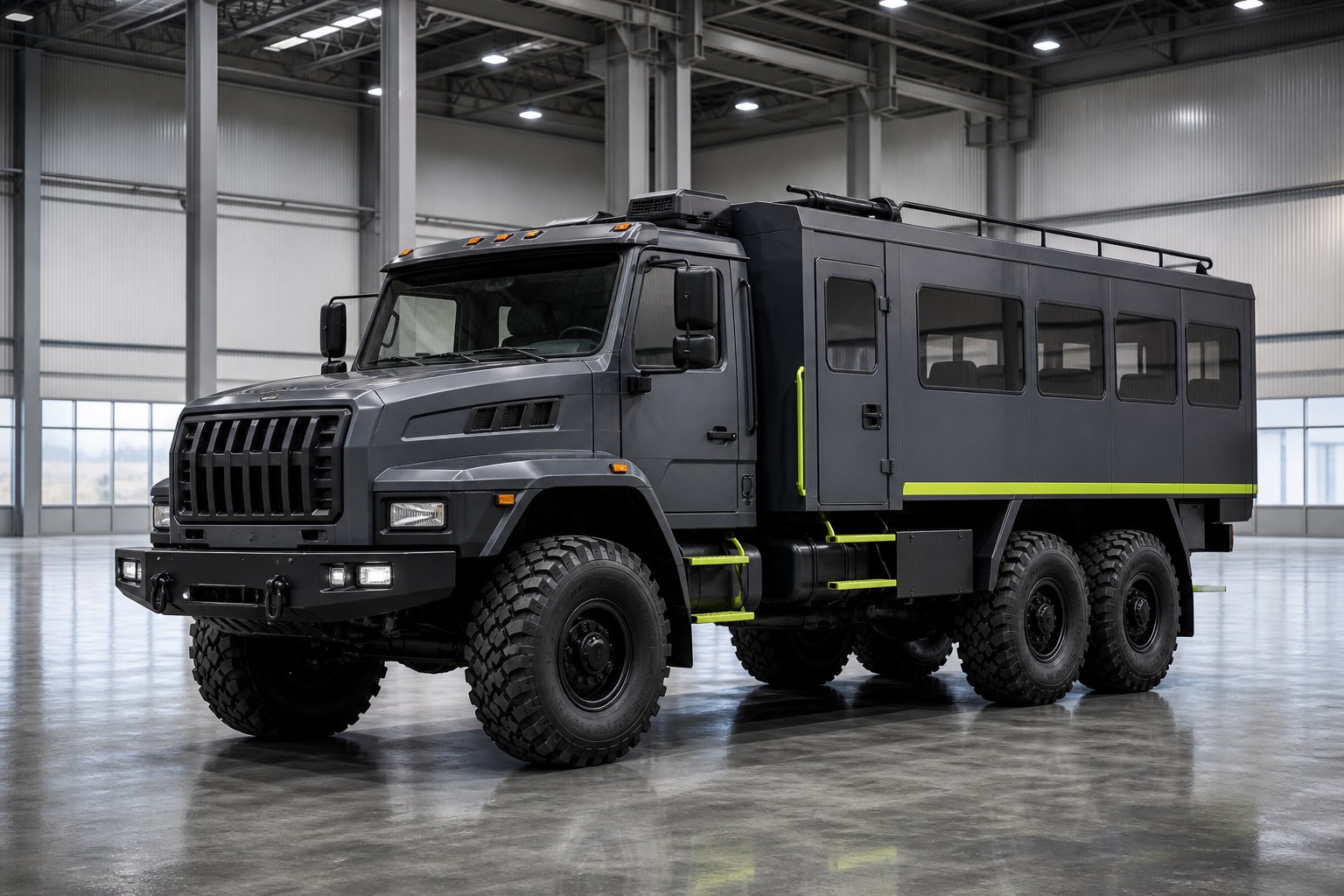
Personnel transport · 6×6
URAL CREW CARRIER
An enclosed all-terrain personnel carrier configured for crew transport between demanding and isolated work sites.
View configuration →NOT SURE WHICH PLATFORM?
Start with the operating conditions.
Use the configuration guide to describe payload, terrain, climate, body and maintenance access. The result creates a structured brief for our export team.
Open configurator →